What Is Migraine?

There’s no cure for migraine, but treatment and lifestyle changes can help minimize and prevent the number of attacks you have. Depending on the cause, avoiding or limiting certain environmental, dietary, and medication triggers can help reduce pain and additional symptoms of an attack.
Types of Migraine
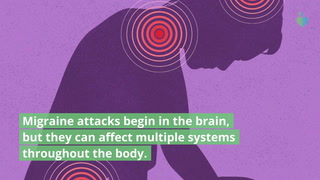
Migraine is characterized by episodes of symptoms called attacks, which usually involve headache and sometimes nausea, vomiting, sensitivity to light, and dizziness. Attacks can happen suddenly or due to certain triggers, and the frequency of attacks varies from person to person.
- Migraine with typical aura
- Migraine with brain stem aura
- Hemiplegic migraine
- Retinal migraine
- Chronic migraine is defined by the American Migraine Foundation as a headache occurring on 15 or more days per month for more than three months, which, on at least eight days per month, has the features of migraine headache. It affects about 3 to 5 percent of the U.S. population.
- Episodic migraine is defined as fewer than 14 days of migrainous symptoms per month.
Identifying what type of migraine you have may help you and your doctor choose the right treatment for you. It can be essential if you want to participate in clinical trials.
Migraine Without Aura
Migraine With Aura
In some cases, aura symptoms occur with no headache accompanying or following them.
Migraine With Brain Stem Aura
Hemiplegic Migraine
Retinal Migraine
Next up video playing in 10 seconds
Ask the Headache Specialist Live
MORE VIDEOS IN Migraine
Signs and Symptoms of Migraine
Symptoms of migraine vary depending on the type of migraine and on the person. In general, though, migraine attacks are very painful and can interfere with your daily life.
- Light sensitivity, called photophobia, which contributes to the desire to seek out a dark space during attacks
- Sound sensitivity, or phonophobia, which can make ordinary noises unbearable
- Touch hypersensitivity, called allodynia, or pain resulting from gentle touches, such as brushing one’s hair or touching one’s face against a pillowcase
- Nausea and vomiting
- Aura symptoms
- Neck pain or stiffness
- Brain fog, or difficulty concentrating, remembering, or performing other mental tasks
- Light-headedness, dizziness, or vertigo
- Depression or anxiety
- Ringing in the ears, or tinnitus
- Sinus pain
- Diarrhea
- Aversion to odors
- Cold hands or feet
- Constipation
- Difficulty speaking clearly
- Difficulty understanding written or spoken information
- Earaches
- Facial swelling
- Food cravings
- Frequent urination
- Increased thirst
- Jaw pain
- Night sweats
- Nightmares
- Numbness or tingling in the hands, feet, or face
- Physical weakness
- Smelling odors (usually unpleasant ones) that aren’t really there
- Stuffy nose
.png?sfvrsn=fc0784cd_3)
Stages of Migraine Attacks
Migraine attacks can have four stages, with somewhat different symptoms at each stage:
- Prodrome, or Warning, Stage You may notice the first signs of a migraine attack one or two days before the onset of aura symptoms or headache. These early warning symptoms can include mood changes, cravings for certain foods, muscle stiffness, trouble concentrating, sensitivity to sound or light, fatigue, difficulty sleeping, yawning, and frequent urination.
- Aura Stage Up to one-third of people experience the aura phase, which can last five minutes to an hour and increase in intensity over time. Aura may involve seeing bright spots or patterns of light, and feeling numbness or tingling in various areas of the body, but not paralysis.
- Headache Stage Pain comes with the headache phase, which can last several hours and up to three days. The throbbing pain may start on one side of the head and move to include both sides. It may be accompanied by nausea and vomiting as well as blurred vision and sensitivity to certain stimuli such as light and noise. People typically seek out a quiet, dark room to rest or sleep in during this phase of a migraine attack.
- Postdrome, or Hangover, Stage In the last phase of a migraine attack, when the headache pain has eased, fatigue and body aches may occur. You may have trouble concentrating and may still be hypersensitive to certain stimuli.
Not everyone who has migraine experiences all four stages, and even those who usually do may not experience all four during every migraine attack.
Causes and Risk Factors of Migraine
Researchers have identified several key risk factors for developing migraine, including the following:
- Genetics Studies show that migraine has a strong genetic component, but the specific genes involved and the mechanism of inheritance are poorly understood. For some rare migraines, like familial hemiplegic migraine, specific gene mutations are responsible. But for most types, it’s believed several genes raise the likelihood of migraine.
- Age Most people who have migraine experience their first attack before they reach age 40. But migraine can start at any time in life, including infancy or childhood.
- Gender Migraine typically affects boys more than girls in childhood, but this trend reverses during adolescence. Women are much more likely than men to experience migraine, likely due to hormonal changes involving estrogen.
- Menstruation and Menopause Women with migraine often experience attacks immediately before or shortly after their menstrual period, when a drop in estrogen occurs. Similarly, hormonal medications like contraceptives or hormone replacement therapy can worsen migraine. Pregnancy and menopause can also change the frequency, duration, and severity of migraine attacks. Because of the strong hormone connection, many women find that migraines subside after menopause.
Common Migraine Triggers
Migraine triggers don’t directly cause migraine. But they can contribute to the onset of a migraine attack. Often, you need several triggers to lead to a migraine attack, not just one. Common triggers include the following:
- Changes in Weather Heat, humidity, wind, reduced light exposure, poor air quality, and changes in barometric pressure can trigger migraine attacks.
- Lights, Sounds, or Smells Natural or fluorescent lights can trigger migraines for people with the disease. Loud noises and strong smells, like perfume or cleaning products, are also common triggers. In some cases, these sensory symptoms are early signs of an attack.
- Medications Birth control pills and vasodilators like nitroglycerin have been linked to migraine attacks. Overusing pain medications may also lead to headaches.
- Dehydration About one-third of people with migraine cite dehydration as a common trigger.
- Disrupted Sleep Getting too little or too much sleep can trigger migraine in some people, as can changes in your sleep-wake pattern, such as jet lag.
- Foods and Food Additives Certain foods and beverages, particularly alcoholic beverages, can be triggers. The flavor enhancer monosodium glutamate can also be a trigger, as can caffeine. Foods containing the amino acid tyramine have been associated with migraine onset. Examples include aged cheese, smoked fish, chicken livers, figs, certain beans, and red wine. Other foods that can cause headache pain are cured meats, artificial sweeteners, such as aspartame and sucralose, fruits like avocados, bananas, and citrus, nuts, and seeds. Missing or skipping meals can trigger attacks, too.
- Stress or Relief From Stress About 70 percent of people with migraine report that everyday stress is a common trigger. Also, relaxing after a stressful day can lead to migraine — something known as a “letdown” headache.
How Is Migraine Diagnosed?
Your healthcare provider may order certain blood tests and imaging tests to rule out other causes of headache. But having one type of primary headache disorder doesn’t rule out having another. In fact, many people have both migraine and tension-type headache.
Keeping a detailed log of your symptoms, when they occur, how long they last, and what, if anything, relieves them, can help with diagnosis.
Treatment and Medication Options for Migraines
Drug treatment options for migraine are twofold: drugs that work to alleviate symptoms once an attack has started, and drugs that prevent attacks from happening or reduce their frequency and severity.
Acute Medications to Stop a Migraine Attack
Acute, or abortive, treatments for migraine include over-the-counter (OTC) pain relievers and several classes of prescription medications. In addition, antinausea medications can help relieve symptoms for those who experience nausea and vomiting with migraine.
Prescription medications include triptans, gepants, ditans, and ergots.
Triptans Triptans were the first migraine-specific drug to come on the market in the 1990s, and they’re still widely used today. They include almotriptan (Axert), eletriptan (Relpax), sumatriptan (Imitrex and other brands), rizatriptan (Maxalt), and zolmitriptan (Zomig).
Gepants More formally called calcitonin gene-related peptide (CGRP) receptor antagonists, gepants were developed specifically to treat migraine and include the oral medicines ubrogepant (Ubrelvy) and rimegepant (Nurtec ODT) and the nasal spray zavegepant (Zavzpret). Gepants work by blocking the action of CGRP, a protein in the brain and nervous system involved in the transmission of pain.
Antinausea Medications Drugs that may be prescribed to treat nausea associated with migraine include metoclopramide (Reglan) and prochlorperazine (Compro). Metoclopramide is available in tablet, liquid, and injection form, as well as a nasal spray. Prochlorperazine is given by tablet, suppository, or injection.
For the most effective symptom relief, it’s important to take antimigraine prescription medications and OTC pain relievers as directed and to follow your healthcare provider's instructions. Overuse of most medications for migraine, including OTC drugs, can cause medication-overuse headache (also known as rebound headache).
Preventive Medications for Migraine
Two exceptions are the CGRP antibodies and the CGRP receptor antagonists, or gepants.
CGRP Antibodies Developed specifically to lower the frequency of migraine attacks, the CGRP antibodies include erenumab (Aimovig), fremanezumab (Ajovy), galcanezumab-gnlm (Emgality), and eptinezumab (Vyepti). These drugs are injected once a month or infused intravenously once every three months.
Nerve Stimulation Devices for Migraine Relief
They are unlikely to replace medications in a person’s migraine management plan, but they may help control pain when used alongside meds.
The main drawback of nerve stimulation devices may be that they’re expensive and not always covered by health insurance plans.
Lifestyle Changes and Prevention for Migraines
While there’s no way to completely prevent migraine, some people can lower their risk of attacks by implementing lifestyle measures, such as:
Prognosis of Migraine
Complications of and Conditions Related to Migraine
Certain disorders occur more frequently among people with migraine or people, usually children, at a higher risk of developing migraine:
Other Types of Headaches
Other rare types of headaches include these varieties:
- Cluster Headache These intensely painful headaches last 15 to 180 minutes without treatment and happen in cycles, or clusters.
- Paroxysmal Hemicrania This is a severe, sometimes throbbing pain on one side of the face or around the eyes that lasts 2 to 30 minutes and occurs more than five times a day.
- Ice-Pick Headache As the name implies, an ice-pick headache is a migraine characterized by stabbing pain. Fortunately, it is relatively uncommon and typically short in duration.
- Intractable Headache Any headache, including migraine, that doesn't respond to treatment.
- Occipital Neuralgia This disorder causes pain in the back of the head and upper neck.
Support for People With Migraine
People living with migraine or a headache disorder can benefit from reliable resources offering information and support. Many organizations provide educational materials and can assist you in finding doctors specializing in migraine care. There are also online communities that offer support as well as practical advice and tips.
Essential Migraine Information and Support
The American Headache Society is specifically dedicated to helping healthcare providers stay up to date on treatments for headaches and facial pain, but patients will also find a wealth of information on new migraine therapies as well as colorful infographics that present a range of tips.
Working alongside the American Headache Society, this nonprofit organization strives to connect people with migraine with the care and support they need. The website features a handy doctor locator tool and guidance on a range of issues, including managing migraine at work, identifying types of headaches, applying for Social Security disability income, and handling emergency room visits related to migraine.
Association of Migraine Disorders
The Association of Migraine Disorders recognizes that migraine is a full-body condition, with a broad spectrum of symptoms. In addition to providing extensive educational materials, the organization hosts Shades for Migraine, a campaign in which participants raise migraine awareness and address the stigma associated with the disease by wearing sunglasses in unexpected places.
The Migraine at Work campaign aims to help employees with migraine stay employed and productive on the job, and to help employers support and accommodate those employees. The website offers articles, taped webcasts, newsletters, and links to more information. Migraine at Work is a project of the World Health Education Foundation.
Online Magazines and Toolkits
This online magazine for people with chronic migraine is put together by volunteers who want to connect readers with real helpful stories from patients, sources of treatment, nutritional advice, and news related to migraine care.
The INvisible Project, the flagship program of the U.S. Pain Foundation, produces online magazines with real stories and photographs of people coping with chronic pain. Several editions are dedicated to people with migraine, who share how they deal with pain-related challenges in their everyday lives.
Migraine Again calls itself a lifestyle website for people with migraine and the people who love them. It features expert information and advice, tips, and personal stories from people who have migraine, and articles on just about every aspect of living with migraine.
Migraine Patient Toolkit: A Guide to Your Care
The downloadable resource was created by the Society for Women’s Health Research to assist those with migraine in getting the care they need, dealing with health insurance issues, and incorporating wellness practices into their lives.
Migraine Apps
This app gets strong ratings from people with headaches and migraine who use it to track medications, disability, and triggers, and share data with their doctors. The app also analyzes your data to determine the type of headache you’re having.
Designed with neurologists and data scientists, this graphic-heavy app makes it easy to record and monitor migraines. The technology helps patients identify likely triggers associated with their migraine and prevent future headaches. The website also features interesting articles on the effect of alcohol on migraine, how pets may help, migraine auras, and other topics.
Migraine Diaries
This British organization dedicated to supporting people affected by migraine offers a template for tracking attacks and any drug you may be taking. Finding patterns in migraine can help with treatment.
Hartford HealthCare Headache Center Migraine Diary
The PDF from this center for headache care gives a comprehensive system for recording episodes and medicines. A key helps pinpoint types of triggers and evaluate migraine severity.
The Takeaway
- Migraine is a neurological disorder characterized by intense head pain and other sensory, gastrointestinal, and neurological symptoms. Migraines can be chronic or episodic and can be categorized under subtypes like migraine with or without aura.
- Migraine attacks can occur due to various environmental, dietary, or hormonal triggers, and can last from hours to days. Most migraine attacks follow phases such as prodrome, aura, headache, and postdrome, with a variety of symptoms indicating which phase you might be in.
- Common migraine triggers include bright lights, foods like chocolate or aged cheese, alcohol, nicotine or secondhand smoke, menstruation and menopause, changes in weather or barometric pressure, lack of sleep (or too much sleep), and stress.
- Diagnosing migraine often involves describing your symptoms to a neurologist, getting magnetic resonance imaging scans, and tracking your symptoms in a diary. A variety of medications can stop migraines or prevent them from occurring, as can lifestyle changes like proper sleep, stress reduction, and hydration.
FAQ
- Walter K. What Is Migraine? JAMA. January 4, 2022.
- Migraine. International Headache Society.
- What Is Chronic Migraine? American Migraine Foundation. June 29, 2021.
- What Is Migraine? Association of Migraine Disorders.
- Migraine Without Aura. The Migraine Trust. June 2025.
- Erickson N. What Are the Stages of a Migraine? Mayo Clinic Health System. March 24, 2021.
- Migraine Aura. Cleveland Clinic. February 13, 2026.
- Migraine With Brainstem Aura. International Headache Society.
- Hemiplegic Migraine. International Headache Society.
- Retinal Migraine. International Headache Society.
- Migraine: Symptoms and Causes. Mayo Clinic. July 8, 2025.
- Migraine Headaches. Cleveland Clinic. January 23, 2024.
- Howard M. 40 Migraine Symptoms You Need to Know. Migraine Again. May 22, 2023.
- Migraine Prodrome: Symptoms and Prevention. American Migraine Foundation. March 17, 2022.
- Stages of a Migraine Attack. The Migraine Trust. October 2025.
- Shibata Y. Migraine Pathophysiology Revisited: Proposal of a New Molecular Theory of Migraine Pathophysiology and Headache Diagnostic Criteria. International Journal of Molecular Sciences. October 26, 2022.
- Irimia P et al. Impact of Monthly Headache Days on Anxiety, Depression and Disability in Migraine Patients: Results From the Spanish Atlas. Scientific Reports. April 15, 2021.
- Barometric Pressure Headache: Can Weather Trigger Headaches or Migraines? Cleveland Clinic. July 15, 2022.
- Bron C et al. Exploring the Hereditary Nature of Migraine. Neuropsychiatric Disease and Treatment. April 22, 2021.
- Migraines in Children. Cleveland Clinic. July 24, 2023.
- Headaches and Hormones: What’s the Connection? Mayo Clinic. November 20, 2024.
- Migraines: Are They Triggered by Weather Changes? Mayo Clinic. May 10, 2019.
- Migraine Attack Triggers. The Migraine Trust. September 2025.
- What Medications Are Commonly Linked to Headache? American Migraine Foundation. April 12, 2023.
- Medication Overuse Headaches. Mayo Clinic. January 10, 2025.
- Top 10 Migraine Triggers and How to Deal With Them. American Migraine Foundation. July 27, 2017.
- Smith L. Migraine Safe Foods and Potential Triggers by Category. Association of Migraine Disorders. January 22, 2025.
- Migraine “Let Down” Headache. American Migraine Foundation. September 1, 2022.
- Migraine: Diagnosis and Treatment. Mayo Clinic. July 8, 2025.
- Triptans. Cleveland Clinic. May 9, 2023.
- Gepants. The Migraine Trust. November 2024.
- Viticchi G et al. Ditans: A New Prospective for the Therapy of Migraine Attack? Neurological Sciences. September 2022.
- Chapter 5, Episode 5: Ergot Alkaloids for Migraine Disease. Association of Migraine Disorders. February 21, 2024.
- Preventive Medicines for Migraine. The Migraine Trust. January 2025.
- CGRP Inhibitors. Cleveland Clinic. January 27, 2025.
- Gepants. The Migraine Trust. November 2024.
- Hemmati AA et al. Migraine Relief Through Botulinum Toxin Therapy: Exploring the Science Behind a Modern Treatment. Toxicon. October 2025.
- Versijpt J et al. European Headache Federation (EHF) Critical Re-Appraisal and Meta-Analysis of Oral Drugs in Migraine Prevention - Part 4: Propranolol. The Journal of Headache and Pain. July 24, 2024.
- Metoprolol (Oral Route). Mayo Clinic. March 1, 2026.
- Hedayat M et al. Venlafaxine Can Reduce the Migraine Attacks as Well as Amitriptyline: A Noninferiority Randomized Trial. Clinical Neurology and Neurosurgery. March 2022.
- Kumar A et al. Migraine Prophylaxis. StatPearls. August 28, 2023.
- Neuromodulation Devices for Migraine Relief. American Migraine Foundation.
- Evers S. Non-Invasive Neurostimulation Methods for Acute and Preventive Migraine Treatment: A Narrative Review. Journal of Clinical Medicine. July 27, 2021.
- Migraine and Sleep. The Migraine Trust. January 2026.
- Legesse SM et al. Irregular Meal and Migraine Headache: A Scoping Review. BMC Nutrition. March 26, 2025.
- Dumas P. Drinking Plenty of Water? 13 Easy Tips to Boost Your Water Intake. Migraine Again. July 7, 2023.
- Migraines: Simple Steps to Head Off the Pain. Mayo Clinic. January 21, 2026.
- Ruschel MAP et al. Migraine Headache. StatPearls. July 5, 2024.
- Caronna E et al. How Does Migraine Change After 10 Years? A Clinical Cohort Follow-Up Analysis. Headache. May 2020.
- Cyclic Vomiting Syndrome. Mayo Clinic. September 20, 2025.
- Abdominal Migraine: Causes, Symptoms and Treatment. American Migraine Foundation. February 3, 2022.
- Benign Paroxysmal Positional Vertigo (BPPV). Mayo Clinic. December 31, 2025.
- Benign Paroxysmal Torticollis. ScienceDirect.
- Cluster Headache. International Headache Society.
- Paroxysmal Hemicrania. Cleveland Clinic. July 3, 2024.
- Ice Pick Headache (Primary Stabbing Headache). Cleveland Clinic. August 13, 2024.
- Intractable Migraine. National Headache Foundation.
- Occipital Neuralgia. Cleveland Clinic. May 21, 2022.

Michael Yang, MD
Medical Reviewer
Dr. Michael Yang is a neurologist and headache specialist at Emplify Health, and an adjunct professor of neurology at the University of Wisconsin Madison School of Medicine.
He comp...

Brian P. Dunleavy
Author
Brian P. Dunleavy is a writer and editor with more than 25 years of experience covering issues related to health and medicine for both consumer and professional audiences. As a jou...