8 Ways to Keep Your Immune System Healthy

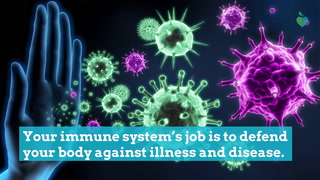
For this delicate system to work properly, every piece needs to be functioning at its best. The best way to ensure that? Practicing healthy habits that can boost your immune system every day. Here are eight expert-approved habits to stay healthy.
1. Incorporate Physical Activity Each Day
“Since stress negatively impacts our immune system, this is another way exercise can improve immune response,” says Yufang Lin, MD, an integrative medicine doctor at the Cleveland Clinic in Ohio.
2. Reach for Nutritious Foods and Stay Hydrated
The nutrients you get from food — in particular, plant-based foods like fruits, vegetables, herbs, and spices — are essential to keeping your immune system functioning properly, says Lin. “Many plant-based foods also have antiviral and antimicrobial properties, which help us fight off infection,” adds Lin.
- Carrots
- Broccoli
- Spinach
- Red bell peppers
- Apricots
- Citrus fruits (oranges, grapefruit, tangerines)
- Strawberries
Additionally, make sure you are properly hydrated throughout the day. “Dehydration can negatively affect your health and hinder your physical performance, focus, mood, and heart and kidney function,” says Vivek Cherian, MD, an internal medicine physician based in Baltimore. “These complications can increase your susceptibility to illness.”
Next up video playing in 10 seconds
7 Ways to Keep Your Immune System Healthy
3. Get Plenty of Restorative Sleep
“Getting adequate rest may strengthen your body’s natural immunity,” Cherian says. When you don’t get enough sleep, your immune system may not function as well, making it less able to defend your body against harmful invaders and making you more likely to get sick.
4. Strive for Mental Balance
This is why it’s important to incorporate stress-reduction techniques; the key is to find what works for you. “I like to give my patients options,” says Ben Kaplan, MD, an internal medicine physician at Orlando Health Medical Group Internal Medicine in Florida. He recommends meditation (apps like Headspace and Calm can help), journaling, and any activity that you enjoy, such as fishing, playing golf, or drawing.
5. Stay Current on Vaccinations
“And unfortunately, depending on how much you’re exposed to and whether you’re a healthy young person or a more senior person whose immune response is waning, the end of those 14 days can result in you getting infected or staying healthy,” says LJ Tan, PhD, the chief strategy officer for Immunize.org in Saint Paul, Minnesota.
While vaccines are safe and effective for most people, Tan advises some individuals to consult their healthcare teams before vaccination. That includes people who are immunocompromised because of treatments like chemotherapy and anyone with a history of allergic reactions to vaccines.
6. Make Conscious Hygiene Part of Your Routine
Personal hygiene may not directly improve immune system health, but basic habits like washing your hands, using hand sanitizer, wearing a mask, and staying home when you do get sick can prevent the spread of germs.
“We have this incredible immune system that helps us stay healthy, but if we can avoid challenging that immune system, we’re going to stay healthier in general,” Tan says. “This way, you can also hopefully reduce your exposure to pathogens that we don’t have vaccines for.”
Cover your nose and mouth when you cough or sneeze so you don’t spread your droplets to people around you. Stay home if you do get sick to prevent spreading your germs to others.
7. Avoid Toxins Like Alcohol and Cigarettes
Try to limit or avoid alcohol and quit smoking if it’s a current habit, to support your immune system.
High alcohol consumption is associated with a range of negative health effects, including lowered immune function. When you drink to excess, your body is too busy trying to detoxify your system to bother with normal immune system function, Kaplan explains.
8. Keep Symptoms of Chronic Conditions Well Managed
Chronic conditions like asthma, heart disease, and diabetes can affect the immune system and increase your risk of infections.
Properly managing your chronic condition can help free up reserves for your body to fight off infection, Lin says. So, be sure to stay on top of any medications, doctor visits, and healthy habits that keep your symptoms at bay. Your immune system will thank you.
The Takeaway
- Your immune system is a complex system of skin cells, blood, bone marrow, tissues, and organs that help your body fight off disease-causing pathogens. When it’s not working properly, however, you might be more prone to illness and infection.
- Keeping your immune system healthy involves a combination of lifestyle and medical changes to improve your overall health. This means eating a balanced diet, getting enough sleep, managing stress, getting daily exercise, and avoiding toxins like cigarette smoke and heavy alcohol consumption.
- Habits like washing your hands, using hand sanitizer, wearing a mask, and staying updated on vaccinations can help protect your immune system against infection and illness.
- If you have an underlying chronic health condition, visit your doctor regularly and manage symptoms to improve your body’s immune function.
Resources We Trust
- Mayo Clinic: Understanding Immune System Health
- National Library of Medicine Medline Plus: Aging Changes in Immunity
- Centers for Disease Control and Prevention: Healthy Habits: Enhancing Immunity
- World Health Organization: How Do Vaccines Work?
- Yale Medicine: How to Wash Your Hands — Properly
- In brief: What are the organs of the immune system? InformedHealth.org. August 14, 2023.
- Chastin S et al. Effects of Regular Physical Activity on the Immune System, Vaccination and Risk of Community-Acquired Infectious Disease in the General Population: Systematic Review and Meta-Analysis. Sports Medicine. April 20, 2021.
- Göçer I et al. Effect of Exercise on Immune System. Journal of Exercise Sciences & Physical Activity Reviews. July 10, 2025.
- Su Y et al. Impact of Exercise on Immune Cell Infiltration in Muscle Tissue: Implications for Muscle Repair and Chronic Disease. Clinical and Experimental Medicine. August 27, 2025.
- Physical Activity Basics and Your Health. Centers for Disease Control and Prevention. March 26, 2024.
- Paluch AE et al. Daily Steps and All-Cause Mortality: A Meta-Analysis of 15 International Cohorts. Lancet Public Health. March 2022.
- Mcleod J et al. The Influence of Resistance Exercise Training Prescription Variables on Skeletal Muscle Mass, Strength, and Physical Function in Healthy Adults: An Umbrella Review. Journal of Sport and Health Science. January 2024.
- Wang J et al. The Effect of Physical Activity on Anti-Infection Immunity: A Review. Health Information Science and Systems. July 23, 2025.
- Sundermann M et al. Nature As Medicine: The 7th (Unofficial) Pillar of Lifestyle Medicine. American Journal of Lifestyle Medicine. May 31, 2023.
- Song I et al. Effects of Nature Sounds on the Attention and Physiological and Psychological Relaxation. Urban Forestry & Urban Greening. August 2023.
- Raymond-Lezman J et al. Benefits and Risks of Sun Exposure to Maintain Adequate Vitamin D Levels. Cureus. May 5, 2023.
- Sulieman A et al. Spices as Sustainable Food Preservatives: A Comprehensive Review of Their Antimicrobial Potential. Pharmaceuticals. October 12, 2023.
- Nutrition and Immunity. Harvard T.H. Chan School of Public Health.
- Maxfield L et al. Vitamin C Deficiency. StatPearls. November 12, 2023.
- Vitamin C. National Institutes of Health. July 31, 2025.
- In Brief: The Innate and Adaptive Immune Systems. InformedHealth.org. August 14, 2023.
- Protein. Harvard T.H. Chan School of Public Health.
- Lee Y et al. The Relationship Between Sleep and Innate Immunity. Encephalitis. May 21, 2024.
- Martinez-Albert E et al. Sleep Promotes T-Cell Migration Towards CCL19 via Growth Hormone and Prolactin Signaling in Humans. Brain, Behavior, and Immunity. May 2024.
- Thorkildsen MS et al. Insomnia Symptoms and Risk of Bloodstream Infections: Prospective Data From the Prospective Population‐Based Nord‐Trøndelag Health Study (HUNT), Norway. Journal of Sleep Research. September 6, 2022.
- How Much Sleep Is Enough? National Heart, Lung, and Blood Institute. March 24, 2022.
- Alotiby A. Immunology of Stress: A Review Article. Journal of Clinical Medicine. October 25, 2024.
- Akimbekov NS et al. Laughter Therapy: A Humor-Induced Hormonal Intervention to Reduce Stress and Anxiety. Current Research in Physiology. April 30, 2021.
- Holt‐Lunstad J. Social Connection as a Critical Factor for Mental and Physical Health: Evidence, Trends, Challenges, and Future Implications. World Psychiatry. September 16, 2024.
- Primary Immune Response. Science Direct.
- Explaining How Vaccines Work. Centers for Disease Control and Prevention. August 10, 2024.
- Purushotham J et al. SARS-CoV-2 Vaccines: Anamnestic Response in Previously Infected Recipients. Cell Research. May 18, 2021.
- It’s a Good Time to Get Your Flu Vaccine. U.S. Food and Drug Administration. January 31, 2025.
- About Handwashing. Centers for Disease Control and Prevention. February 16, 2024.
- Raja S et al. Hand Sanitizers With Possible Risks: Problems and Recommendations. Canadian Journal of Public Health. June 29, 2023.
- Ragab A et al. Alcohol Consumption and Immune Cell Profiles: Insights From the Framingham Heart Study. Alcohol Clinical & Experimental Research. July 29, 2025.
- Medical Complications: Common Alcohol-Related Concerns. National Institute on Alcohol Abuse and Alcoholism.
- About Moderate Alcohol Use. Centers for Disease Control and Prevention.
- Yang K et al. Effect of Smoking-Related Features and 731 Immune Cell Phenotypes on Esophageal Cancer: A Two-Sample and Mediated Mendelian Randomized Study. Frontiers in Immunology. March 27, 2024.
- McGeoch L et al. Cigarette Smoking and Risk of Severe Infectious Respiratory Diseases in UK Adults: 12-Year Follow-Up of UK Biobank. Journal of Public Health. December 2023.
- Smoking Cessation: Fast Facts. Centers for Disease Control and Prevention. September 17, 2024.
- Okdahl T et al. Low-Grade Inflammation in Type 2 Diabetes: a Cross-Sectional Study From a Danish Diabetes Outpatient Clinic. BMJ Open. December 14, 2022.
- Li H et al. Mendelian Randomization Analysis Reveals Causal Relationship Between Allergic Diseases and Influenza. The World Allergy Organization Journal. June 7, 2025.

Grant Chu, MD, MS, MBA, FACP
Medical Reviewer
Grant Chu, MD, is an associate clinical professor at the David Geffen School of Medicine at UCLA. Dr. Chu is also associate director of inpatient East-West consult services at the ...
